Bring Science to Life with Stop Motion Animation!
Science class doesn’t have to be confined to textbooks and dusty microscopes. What if students could visualize complex concepts through their own creations? Enter the magical world of stop motion animation, a project type that transforms science lessons into engaging, multi-dimensional experiences.
Stop motion animation involves manipulating objects slightly between taking photographs, creating the illusion of movement when the photos are played back in rapid succession. This low-tech but powerful tool can breathe life into abstract scientific concepts, making them tangible and memorable for students.
Here are just a few examples of how stop motion animation can be used to illuminate key science concepts:
1. Plate Tectonic Movements:
Imagine students crafting continents out of clay, slowly grinding them together to depict continental drift. They can add volcanic eruptions, earthquakes, and even miniature human explorers to witness the dramatic effects of plate movements. The resulting stop motion film wouldn’t just showcase continental drift; it would be a captivating story of Earth’s ever-changing face.
2. Mitosis, the Dance of the Chromosomes:
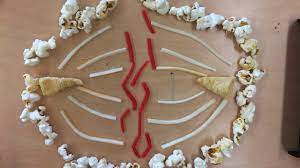
Mitosis, the process of cell division, can be a challenging concept to grasp. But with stop motion animation, students can bring chromosomes to life! Using colorful pipe cleaners or construction paper, they can create animated chromosomes lining up, splitting, and moving to opposite poles of the cell. Watching the process unfold frame by frame makes mitosis no longer a mystery, but a mesmerizing ballet of cellular life.
3. Kinetic and Potential Energy in Action:
The abstract concepts of kinetic and potential energy become concrete with stop motion animation. Students can build simple roller coasters or catapults, using clay balls or toy cars as their moving objects. By filming the objects at different heights and speeds, they can visually demonstrate the relationship between their position and energy levels. The resulting animation becomes a playful exploration of the fundamental principles of physics.
Beyond the examples above, the possibilities are endless! Students can animate chemical reactions, the water cycle, the life cycle of a plant, or even the evolution of species. The beauty of stop motion animation lies in its flexibility and accessibility. All you need is a smartphone, some basic materials, and a dash of creativity!
Here are some additional benefits of using stop motion animation in the science classroom:
- Promotes teamwork and collaboration: Students can work together to develop the story, build the sets, and animate the characters.
- Enhances communication skills: Students need to explain their scientific understanding in a clear and concise way to create an effective animation.
- Develops critical thinking skills: Students need to plan their animations carefully, considering factors like scale, timing, and lighting.
- Boosts creativity and imagination: There are no limits to what students can create with stop motion animation!
So, ditch the traditional lecture and unleash the power of stop motion animation in your science classroom. Watch your students’ eyes light up as they transform complex concepts into captivating stories, and witness the joy of learning when science comes to life!
Ready to get started? Check out these resources for inspiration and practical tips:
- Stop Motion Animation for Educators: https://m.youtube.com/watch?v=msyVrZelkUc
- 5 Easy Stop Motion Activities for Science Class: https://www.teachstarter.com/us/learning-area/physics-us/
- Free Stop Motion Animation Apps: https://apps.apple.com/us/app/stop-motion-studio/id441651297
Let’s bring the magic of stop motion animation to science education and watch our students become not just learners, but creators of scientific worlds!

 One Teachers Corner
Leave a comment